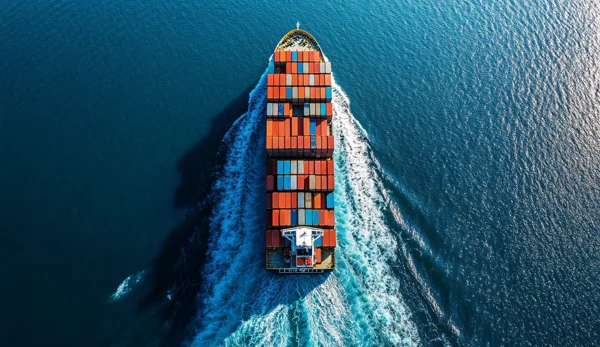
The past year has been transformative for the Blue Economy sector, which, as noted in our previous briefing, encompasses shipping, fisheries, aquaculture, tourism, renewables, desalination, undersea cabling, seabed extraction and marine genetic innovation.
The economic value of the ocean is projected to exceed $3 trillion by 2030, making it the world’s fifth-largest economy according to the OECD. With the historic High Seas Treaty entering into force in January 2026, increased focus on water issues between the “Blue” Davos summit and the 2026 United Nations Water Conference, paired with unprecedented blue finance commitments, the regulatory and investment landscape for the sector is evolving rapidly.
This briefing is intended for stakeholders in the maritime sector, including ship owners, financiers, and ESG investors, and outlines how emerging regulations, financial instruments and governance models are shaping opportunities and obligations across the ocean industries.
1. The BBNJ Treaty – Implications for the shipping sector and investors
The BBNJ Treaty, in force since 17 January 2026, is the first binding international framework for protecting biodiversity in the high seas. Adopted under the United Nations Convention on the Law of the Sea (UNCLOS), its key provisions include:
- Area-based management tools, including new marine protected areas aligned with the global 30×30 conservation target under the Kunming-Montreal Global Biodiversity Framework.
- Mandatory environmental impact assessments for activities in the high seas.
- Fair and equitable benefit-sharing from marine genetic resources.
- Enhanced support for capacity building and technology transfer.
The BBNJ Treaty is designed to work alongside established international organizations like the International Maritime Organization and the International Seabed Authority.
However, coordinating with these various frameworks can be challenging, given their distinct regulations and enforcement mechanisms. The inaugural Ocean Conference of the Parties (COP), anticipated for late 2026 or early 2027, is expected to provide greater clarity on technical standards and practical arrangements for implementing the Treaty in harmony with the existing regimes.
While the full impact is still unfolding, the establishment of new marine protected areas will inevitably affect shipping. Shipowners and operators will need to comply with stricter environmental standards, more reporting, and possible changes to routes or speeds. These adjustments are likely to result in longer voyages, increased costs, and a greater emphasis on cleaner technologies and regulatory compliance. Financiers may encounter more nuanced due diligence and compliance considerations, while investors are likely to see new opportunities in sustainable ocean ventures, provided their investments align with higher ESG standards and deliver measurable outcomes.
2. Blue Finance Momentum – Developments from UNOC3 and Blue Davos
The past year has brought strong momentum in blue finance, with both public and private actors making significant commitments at major events like the United Nations Ocean Conference in Nice (UNOC3) and the World Economic Forum’s “Blue Davos”. At UNOC3, €8.7 billion in new pledges for deployment by 2030 were announced, alongside recognition of approximately €25 billion in existing blue investments. Innovative financial instruments, including blue bonds, debt-for-nature swaps, and nature-linked insurance are gaining traction, while public–private partnerships are increasingly supporting infrastructure and ecosystem restoration.
Despite this progress, it is reported that there is an annual funding gap of around $175 billion to achieve SDG 14 by 2030, especially in developing regions, underscoring major opportunities for marine-focused investors.
3. Regional updates: Europe and Asia
What we are seeing in our jurisdictions, across both Europe and Asia, is that these regions are increasingly at the forefront of the blue economy, driving progress through innovative policies and collaborative financing. By way of example, only in the last year:
- a group of public development banks launched the Clean Oceans Initiative 2.0, in June 2025 setting a new €3 billion financing target for 2026–2030 to tackle marine plastic pollution. The group includes European banks such as the European Investment Bank (EIB), Cassa Depositi e Prestiti (CDP), Agence Française de Développement (AFD), KfW Development Bank and the European Bank for Reconstruction and Development (EBRD), along with the Asian Development Bank and the Development Bank of the Philippines.
- The European Ocean Pact, adopted by the European Commission during UNOC3, is a comprehensive strategy backed by €1 billion in funding that brings together all EU ocean policies under a single framework to protect ocean health, promote a sustainable blue economy, and support coastal communities, while also advancing research, maritime security, and international ocean governance.
- Asia is rapidly advancing blue finance, supported by initiatives such as the Asian Development Bank’s Blue Bond Incubator, ASEAN’s Blue Economy Framework, and China’s 14th Five Year Plan for the Marine Economy. In 2025, key developments included Hong Kong strengthening its ambition to become a green bunkering hub amid calls for a visionary “Port 2.0” that integrates ecological and economic values and leverages the Greater Bay Area’s coastal marine ecosystems, recently valued at RMB 4.9 trillion. Meanwhile, Singapore and Indonesia have emerged as Southeast Asia’s leading blue finance hubs, with a study identifying 345 active funders in the region—mostly SEA based—focused on sectors such as aquaculture, plastics avoidance, nature based solutions, and ecotourism.
CONCLUSION
The past year has marked a transformative period for the blue economy, with the historical High Seas Treaty entering into force and significant blue finance commitments reshaping the sector. New regulations, financial instruments and governance models create both obligations and opportunities. Stakeholders who engage strategically, collaborate across sectors and integrate sustainability into operations and investments will be best positioned to capture value, manage risk, and drive long-term growth in the evolving ocean economy.
For advice on blue finance structures, regulatory changes, or innovation in the sector, please contact Alberta, Tze-wei, or your usual Stephenson Harwood advisor.
Click here to download this update.